
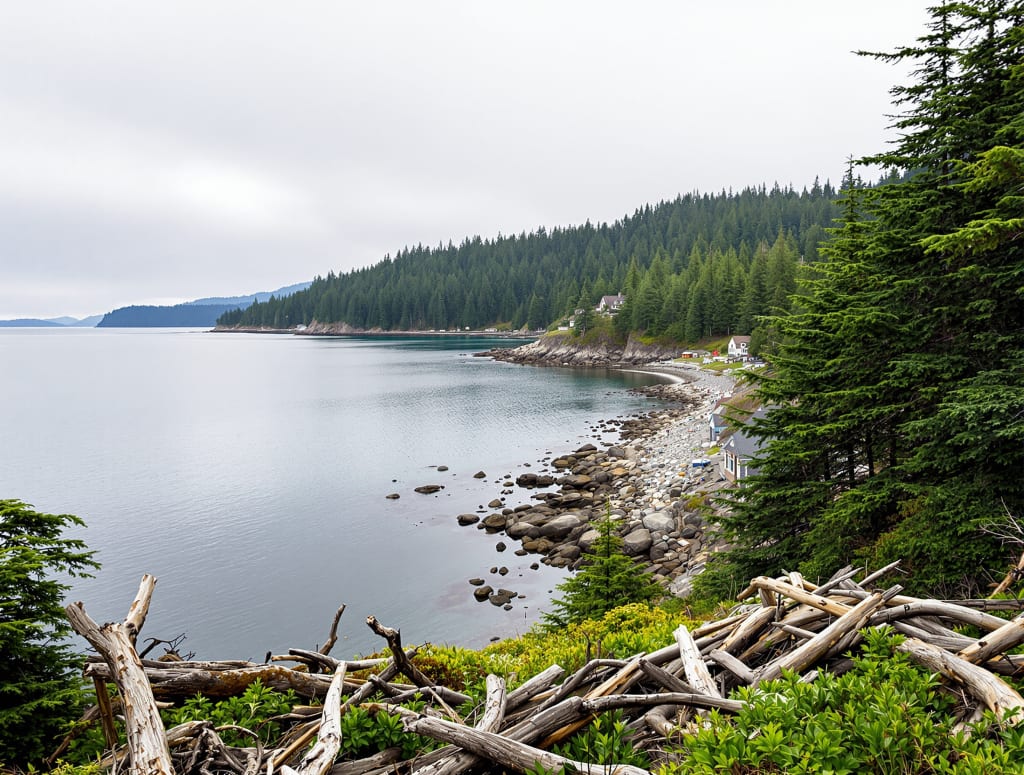
Orcas Island Home Search Smarts: 8 Micro-Factors That Quietly Move Prices
A lot of buyers start on Orcas Island with the big filters: beds, baths, acreage, and a view. Then two homes that look "the same" on paper show up with a surprisingly different price tag—or they feel wildly different the moment you step out of the car. On an island where topography changes block by block, micro-factors like winter light, ferry timing, and wind exposure can matter as much as square footage.
Below are eight value-shifting details to watch for as you compare properties. They're not meant to scare you off—they're meant to help you ask sharper questions, anticipate true operating costs, and recognize when a listing is actually a great fit for your lifestyle. (And if you like a little extra confidence in the process, Windermere San Juan Island's Katie Schmidt brings a legal background focused on property and real estate law—handy when "small details" have big implications.)

1) View orientation: what you see, and when you see it
Not all "water views" are equal. West-facing panoramas can deliver dramatic sunsets, but they may also bring stronger weather and more salt exposure. East or southeast views often feel gentler, with early light that's especially welcome in the darker months. A "peekaboo" view can be a bargain if it's framed beautifully and likely to remain stable, while a wide vista may carry a premium but also require careful attention to view easements, tree growth, and long-term maintenance.
2) Sun path and winter light: the invisible comfort upgrade
Orcas Island's slopes and tree cover can create radically different light patterns from one lot to the next. A home that's bright in July can feel shadowed in December if the ridge line blocks low-angle sun. Pay attention to window orientation, outdoor living spaces, and whether the main living areas capture midday light. This "sun math" affects heating costs, plant choices, and how inviting the home feels day to day.
3) Wind exposure: comfort, wear-and-tear, and outdoor usability
Wind is more than a nuisance; it changes how a property lives. Exposed points and bluff edges may need sturdier roofing, more frequent exterior painting, and thoughtful landscaping. A sheltered setting might feel calmer and warmer, with patios and decks that get used more often. When touring, notice tree flagging (branches leaning consistently), salt burn on foliage, and how doors and windows behave on breezy days.
4) Access and driveway reality: the day-to-day factor
Island roads range from paved to gravel, and the last 300 feet to a home can be the difference between easy year-round access and white-knuckle winter drives. Steep grades, tight switchbacks, and limited turnaround space influence deliveries, emergency access, and how guests experience the home. If you're considering a shared driveway or private road maintenance agreement, understand who pays for what, how decisions get made, and what happens when a neighbor sells.
From "Looks Great Online" to "Lives Well": More Micro-Factors
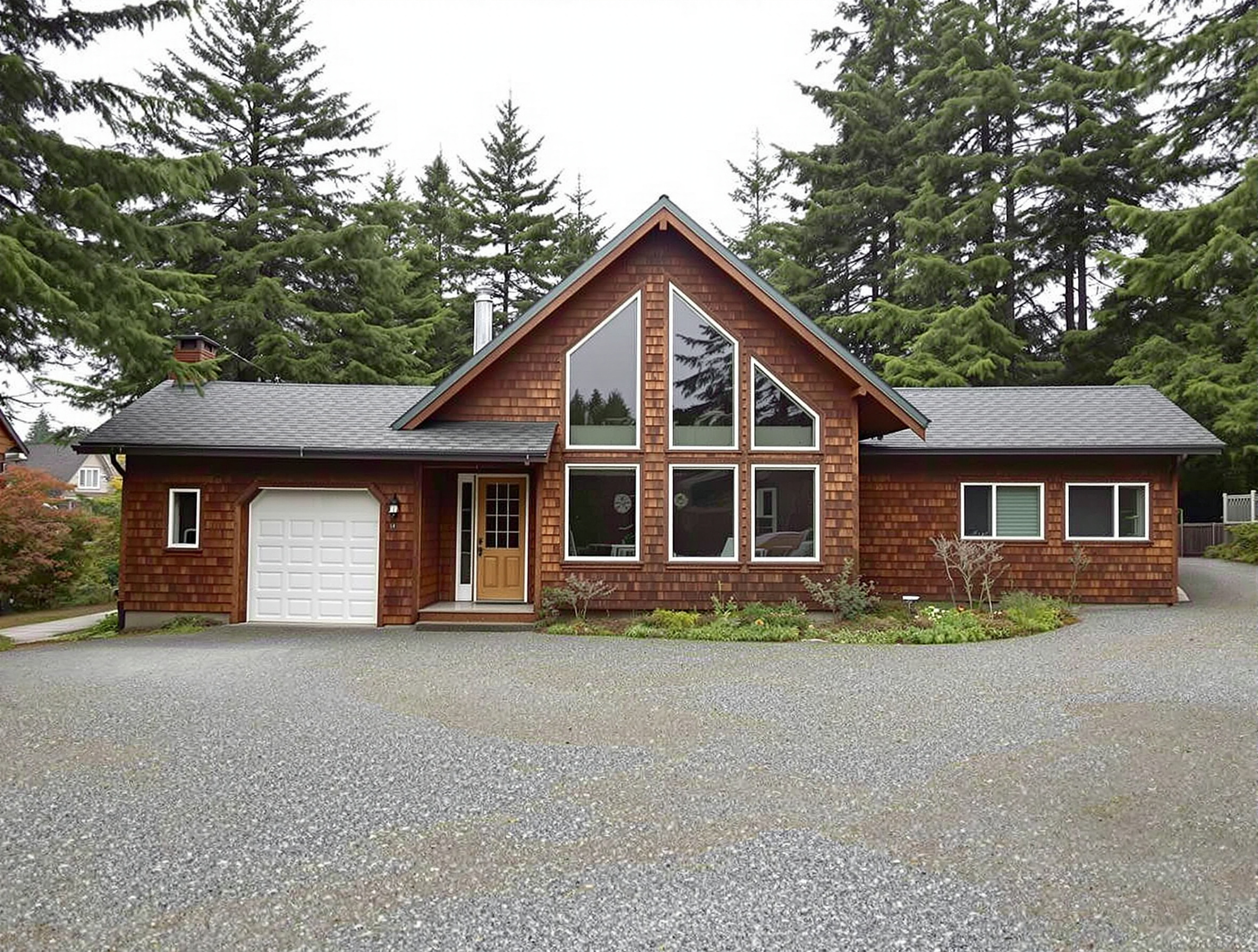
5) Water source, storage, and treatment: the practical premium
On Orcas, water can come from a community system, a private well, or a cistern/rain catchment setup, and each path comes with its own responsibilities. Buyers often value a proven, reliable water source with clear records—especially if the home has gardens, guests, or rental potential. Ask about water quantity, seasonal reliability, filtration/UV systems, and any recent testing. Storage capacity (tanks, pressure systems) can be as important as the source itself.
6) Septic placement and expansion flexibility
Septic isn't glamorous, but it can quietly govern what you can do with a property. The system's size, age, and location affect future additions, ADU potential, and even where you can place a deck or shop. If you're dreaming of adding a bedroom, converting a garage, or building an accessory structure, you'll want to understand reserve drainfield areas and site constraints early—before you fall in love with a floor plan that can't evolve.
7) Ferry and service logistics: time is a form of value
Orcas Island living is wonderfully self-contained, but schedules still matter. Consider how close you are to the ferry landing for commuting, school routines, and connecting to off-island medical care. Also think about contractor availability and delivery lead times—remote properties can cost more to service, especially if access is tight or ferry timing complicates heavy materials. A home that shaves 15 minutes off each trip can feel like a lifestyle upgrade you experience every single week.
8) Neighborhood feel and soundscape: what you hear (or don't)
Two homes can be a mile apart and feel like different worlds. Some areas are prized for deep quiet—just wind in fir trees and distant gulls—while others trade serenity for convenience and community energy. Visit at different times: weekday mornings, weekend afternoons, and after dusk. Notice boat noise in certain coves, the hum of generators in winter storms, or whether a nearby road becomes busier in summer.
Putting It All Together: A Simple Way to Compare Homes
When you're narrowing choices, try scoring each property on a one-page "livability sheet" that includes light, wind, access, water, septic flexibility, and commute rhythm. Then add your personal non-negotiables: a protected garden spot, a workshop, a guest suite, or a view that makes you pause every time you walk by the window. On Orcas Island, value isn't just location—it's how the home performs across seasons.
If you want a second set of eyes trained to spot the small clauses and big consequences, working with someone who blends local knowledge with legal fluency can be a real advantage. Windermere San Juan Island and Katie Schmidt can help you look past the listing highlights and understand what you're truly buying—so the home you choose fits both your dreams and your day-to-day life.