
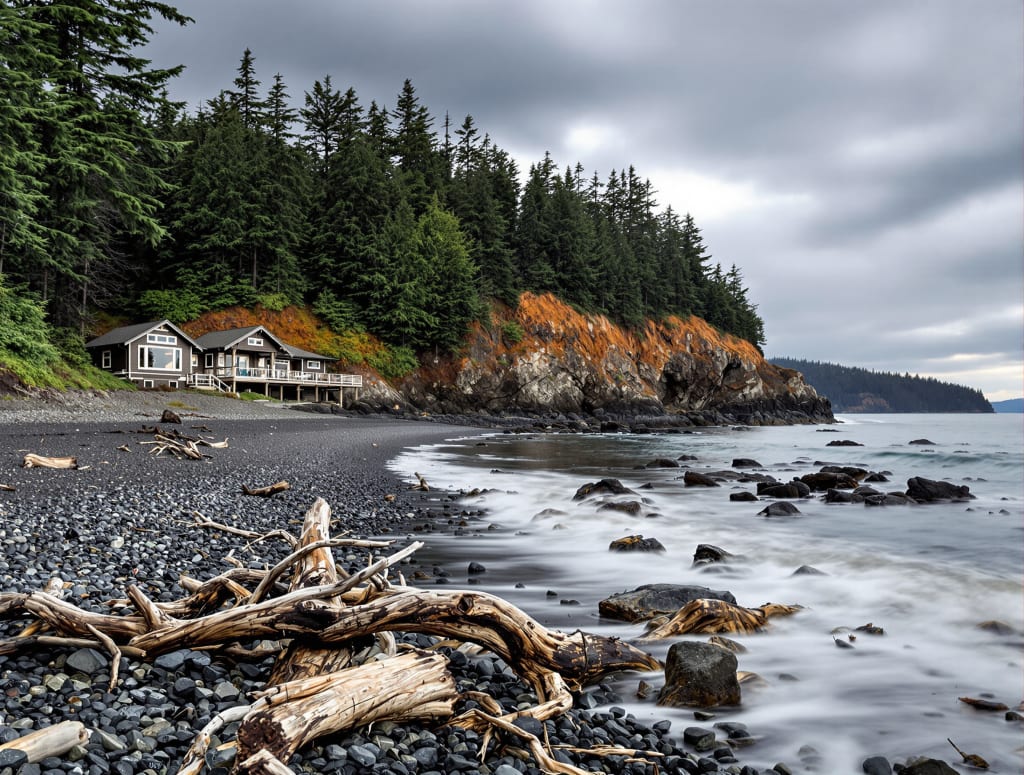
From Ferry Schedules to Financing: 9 Things Buyers Should Know Before Purchasing on San Juan Island
Buying a home on an island is equal parts romance and reality check—in the best way. The views and quiet roads can feel like a permanent vacation, but the logistics of daily life are different when your "commute" might include a ferry line and your utility plan depends on where the property sits. The smartest buyers aren't discouraged by the details; they simply plan for them. Below are nine practical, island-specific considerations that can help you shop with confidence and avoid surprises after closing.
1) Ferry schedules aren't just transportation—they're your calendar
Life here runs on the Washington State Ferries timetable. That affects everything from getting contractors to the island to making an early flight out of Sea-Tac. Before you fall in love with a property, think about your routine: work trips, medical appointments, weekend guests, and even package deliveries. Build in buffer time for peak-season demand, limited sailings, and occasional disruptions due to weather or mechanical issues.
Many locals keep a "Plan B" mindset: earlier sailing options, alternative routes, and a realistic sense of how often you'll want to travel on and off-island. If you expect frequent mainland access, your property search might prioritize proximity to Friday Harbor and the ferry landing to reduce travel friction.

2) Internet and cell coverage vary more than you'd expect
Island living can be wonderfully unplugged—until you need a reliable Zoom call. Service levels can change dramatically from one road to the next based on terrain, tree cover, and infrastructure. If you're working remotely, confirm available providers, typical speeds, and redundancy options (like a secondary hotspot) before removing contingencies.
It's also worth testing cell signal during property tours and asking neighbors what they use. For some buyers, a home office becomes a non-negotiable, and connectivity becomes just as important as the view.
3) Water isn't one-size-fits-all: wells, shares, and storage matter
On San Juan Island, water systems can include private wells, shared community sources, or water catchment and storage depending on location. Each setup comes with its own maintenance expectations and due diligence needs. Well flow, water quality tests, easements for shared systems, and equipment condition (pumps, filtration, pressure tanks) can all affect both comfort and cost.
If a property uses shared water, review the governing documents and understand fees, repair obligations, and decision-making procedures. On an island, clarity around water is peace of mind—especially during drier months.
4) Septic systems are normal—so inspection and records are crucial
Many homes rely on septic, and that's not a drawback when systems are properly designed and maintained. The key is to treat septic evaluation like a core part of your inspection plan. Ask for prior pump/maintenance records, confirm the system's capacity (especially if you plan to add bedrooms), and understand where the drainfield sits relative to slopes, trees, and future improvements.
Repairs can be more complex when equipment and crews must coordinate around ferry transport, so knowing the system's health upfront helps you budget accurately.
5) Coastal and wooded lots come with environmental considerations
Shoreline properties and forested acreage deliver the scenery people dream about, but they can also involve additional rules and stewardship. Depending on the site, you may encounter shoreline regulations, critical area buffers, wetlands, or steep-slope limitations that influence what you can build or change. Even something as simple as adding a deck, expanding a driveway, or improving access can require permits and careful planning.
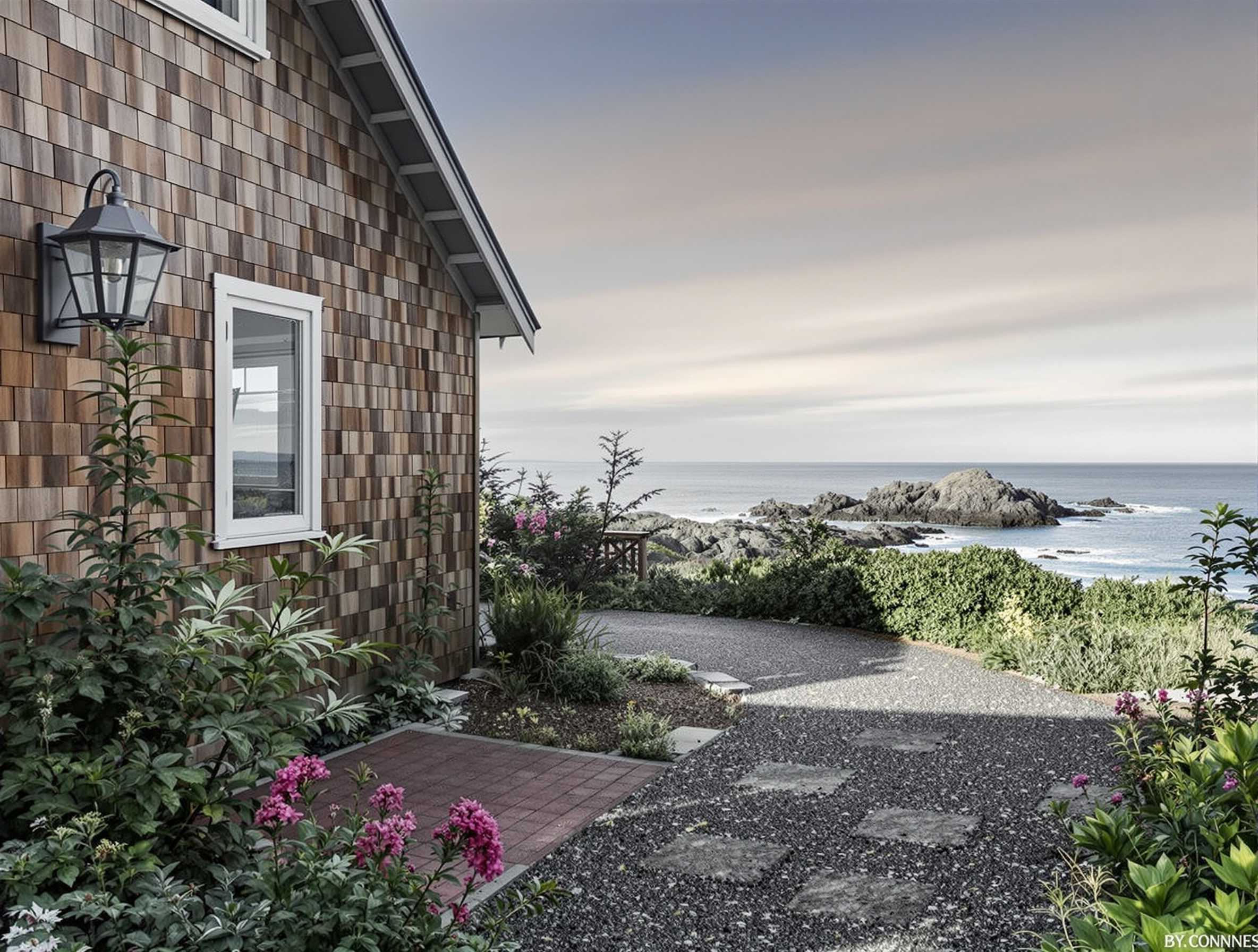
It's wise to match your vision to the land's realities. If you imagine a guest cottage, gardens, or extensive clearing, ask early what's feasible. Buyers who do this homework tend to feel empowered rather than restricted—and they're less likely to be surprised by timelines or approvals.
6) Insurance, storms, and wildfire risk should be part of the conversation
Insurance on an island can be influenced by factors like distance to fire services, access roads, vegetation density, and home construction. Water access for firefighting, defensible space, and roof material can also affect pricing and insurability. In coastal areas, wind exposure may matter; in wooded areas, wildfire mitigation steps may be recommended.
Before finalizing your budget, get insurance quotes early and consider what upgrades (like clearing brush or improving driveway access) might reduce risk and support long-term resilience.
7) Financing can require extra documentation and a local strategy
Some lenders treat island properties as routine; others require additional steps, especially for unique homes, waterfront parcels, or properties with nonstandard utilities. Appraisals can take longer, and comparable sales may be more nuanced due to view corridors, beach access, acreage, and outbuildings.
This is where having a guide who understands both the market and the legal framework can be invaluable. At Windermere San Juan Island, buyers often work with professionals who know how to anticipate lender questions, prepare clean documentation, and keep a transaction moving. Katie Schmidt brings a legal education with an emphasis on property and real estate law, which can be especially helpful when reviewing easements, shared systems, and island-specific disclosures.
8) Rentals, restrictions, and neighbor expectations aren't always obvious
Many buyers wonder about short-term rental potential, guest houses, or hosting friends and family for extended stays. Rules can come from county regulations, permits, HOA or community covenants, or even access agreements. The important thing is to confirm what's allowed for the specific property—not what seems common in the area.
Even when something is legally permitted, it's wise to understand the neighborhood's character. Some roads are lively in summer; others are intentionally quiet. Aligning your plans with the community tone helps you enjoy the home and maintain great relationships from day one.
9) Everyday services take planning—so choose your location with intention
Island amenities are part of the charm: local farms, art studios, seasonal events, and a strong sense of community. At the same time, you'll want to think practically about where you'll get groceries, how far you are from schools and medical care, and what it means to schedule repairs or deliveries. A longer drive on rural roads may be totally worth it for privacy and sunsets—if it matches your lifestyle.

For families, school commute and after-school activities can shape the "right" part of the island. For second-home owners, ease of arrival—parking, ferry timing, and proximity to services—can matter more than square footage. For retirees, medical access and year-round road conditions often rise to the top of the list.
Closing thoughts: island dreams work best with island due diligence
San Juan Island rewards buyers who balance heart and homework. When you understand the ferry rhythm, verify utilities, clarify restrictions, and approach financing with a realistic timeline, you don't lose the magic—you protect it. If you want a partner who combines local expertise with a careful, legally informed approach to property details, Windermere San Juan Island and Katie Schmidt can help you translate island living into a purchase that feels solid on paper and joyful in real life.