

Friday Harbor Walkability Playbook: 7 Ways to Choose the Right Area for Your Lifestyle (Without Relying on Guesswork)
Walkability in Friday Harbor isn't just about being "close to town"—it's about how your daily rhythm actually feels once you're there. Can you get coffee, groceries, the ferry, and the waterfront without planning your whole day around a car? Do you want a quiet lane where you hear birds in the morning, or a spot where you can stroll to the marina on a whim? On San Juan Island, small distance changes can create big lifestyle differences, so it pays to choose with intention.
This playbook breaks walkability into practical, livable categories—so you can pick the right area for how you spend your time, not just how a map looks. Use it whether you're relocating full-time, buying a weekend retreat, or investing with an eye toward future resale.
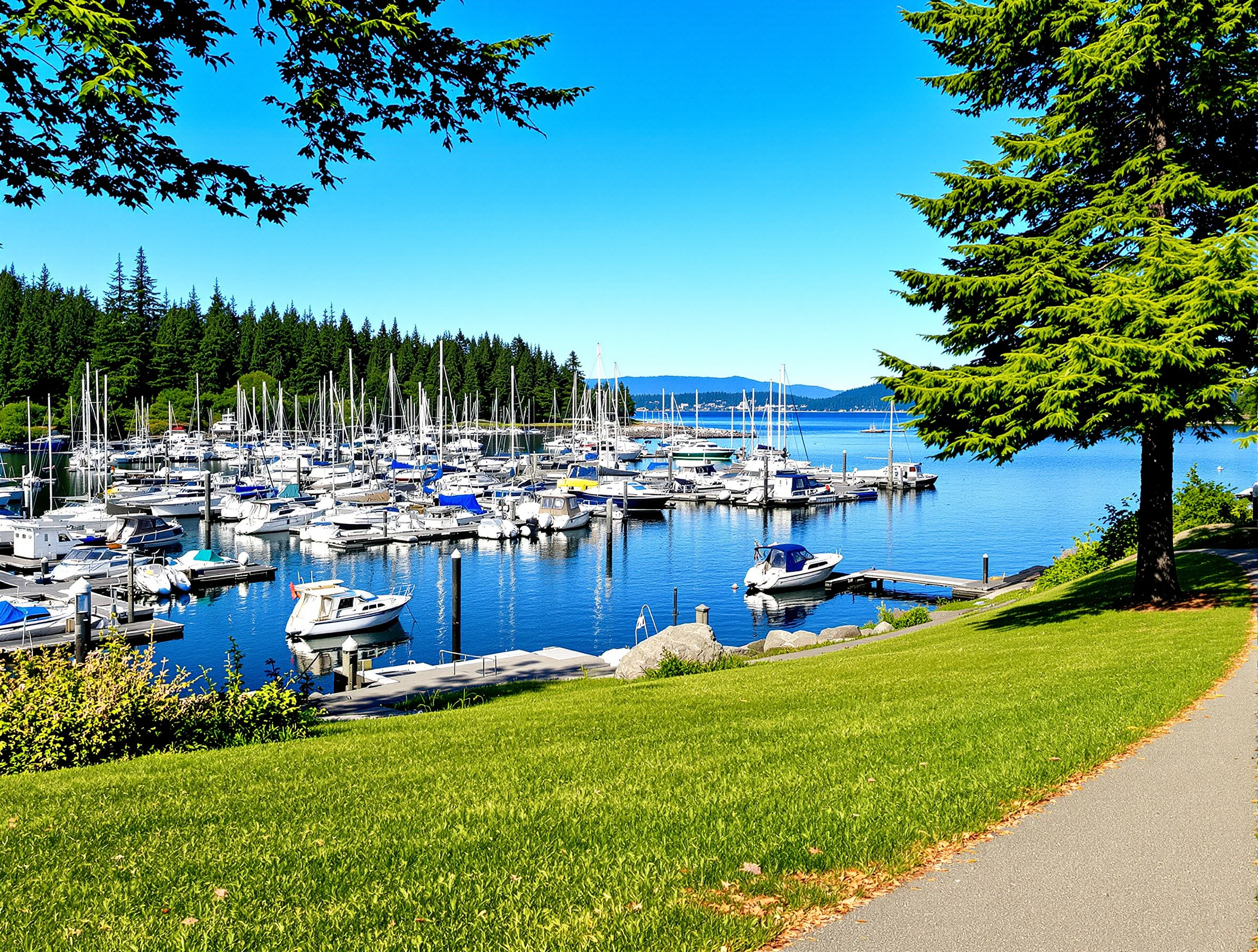
1) Define your "walkable" day: essentials, not ideals
Start with your non-negotiables. A truly walkable setup is one where your most frequent errands and routines can happen on foot most days of the week. Make a short list: ferry access, groceries, gym or studio, waterfront time, a place to sit outdoors, and maybe school pickup. Then rank them by how often you'll use them. A home that's a 10-minute walk to the ferry might be perfect for commuters and frequent travelers, while someone working remotely may prioritize an easy stroll to the waterfront and a quiet loop for morning walks.
Practical tip: test your list on a real weekday and a weekend. Friday Harbor shifts with seasons and visitor volume, so a route that feels effortless in one month may feel different in another.
2) Measure the route, not the radius
Distance "as the crow flies" can be misleading on an island community with hills, curves, and pocket neighborhoods. Instead of asking, "Is it within half a mile?" ask: "Is there a comfortable, safe route?" Pay attention to sidewalks (or the lack of them), shoulder width, lighting, and whether you're crossing busier segments. Even a short walk can feel long if you're sharing the road with traffic or dealing with steep grades.
What to look for: calmer side streets, continuous walking paths, and routes that feel pleasant in drizzle and darkness—because in the Pacific Northwest, those are part of the lifestyle.
3) Match walkability to your mobility and pace
Walkability is personal. If you love a brisk 20-minute walk, you'll have a wider set of options than someone who wants everything within a gentle 5–10 minutes. Think about strollers, aging parents visiting, or simply how you feel carrying groceries uphill. If you plan to bike, note where you can comfortably ride and lock up—biking can effectively expand your "walkable" zone while still feeling car-light.
Also consider seasonality: wind and rain change the comfort of exposed routes, and darker winter afternoons may make lighting and visibility more important than you'd expect during a sunny showing.
4) Choose your "quiet vs. connected" setting on purpose
Many buyers say they want both: peaceful and close. In reality, you're choosing a blend. Some areas offer quick access to the village core and harbor energy, while others trade a longer walk for more privacy and fewer passersby. Neither is better—just different.
Connected living tends to feel lively: you'll hear ferries, notice event weekends, and appreciate being able to wander out spontaneously. Quiet living tends to feel restorative: more trees, more sky, and less ambient activity—great if you want your home to feel like a reset button.
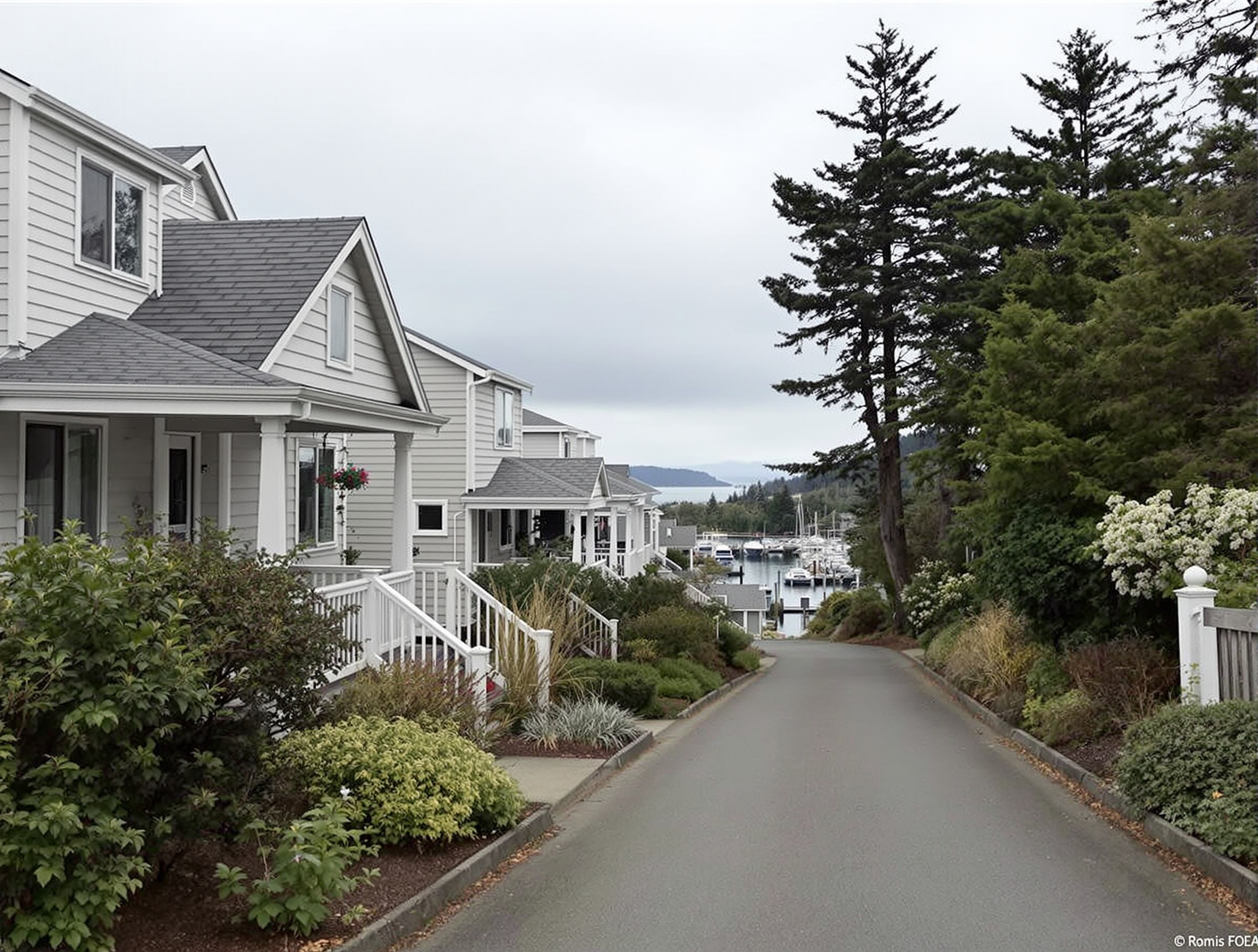
5) Evaluate "micro-amenities" that make walking effortless
In a place as community-oriented as Friday Harbor, small conveniences add up. Look for features that turn walking from a chore into a habit: a comfortable loop for an evening stroll, a nearby waterfront bench, sheltered routes when weather rolls in, and easy places to pause. It's also worth noting everyday services you'll use often—mail pickup, a quick pharmacy run, or a spot to meet friends informally—because these are the errands that shape your sense of ease.
Try this during a visit: walk the route you'd take for groceries while carrying a bag. Notice the grade, the road edge, and whether you'd feel comfortable doing it year-round.
6) Think about schools, community life, and your weekly calendar
For households with school schedules, walkability can mean fewer car trips and more time back in your day. Even if you don't have kids, community hubs matter—parks, waterfront viewpoints, and gathering spaces become the places where you feel "local." A neighborhood that supports a simple weekly rhythm (walk, meet, volunteer, stroll) can quickly feel like home.
Recreation counts too. San Juan Island lends itself to scenic walking, shoreline time, and trail outings. If your ideal weekend includes a casual hike or a waterfront wander, choose an area where those outings start from your front door instead of requiring a parking plan.
7) Use resale logic: walkability holds value—when it's the right kind
Walkability often supports long-term desirability, but the strongest value is "functional walkability," not just proximity. Buyers tend to pay for a home that makes daily life simpler: predictable routes, comfortable grades, and access that feels safe and pleasant. If you're deciding between two areas, consider which one will appeal to the widest range of future buyers—full-time residents, part-time owners, and those who visit by ferry and want to minimize driving.
Bottom line: a home can be close to everything and still feel inconvenient if the route is awkward. Conversely, a slightly longer walk can feel like a premium lifestyle if the setting is beautiful and the path is enjoyable.
How to put the playbook into action (a quick checklist)
- Walk your top three routes at the time of day you'd actually use them.
- Track comfort factors: hills, shoulders/sidewalks, lighting, and wind exposure.
- Test an errand run on foot (groceries or ferry drop-off) to feel the reality.
- Decide your preference: lively and central vs. quiet and restorative.
- Think seasonally—especially darker, wetter months in Washington.

A final note on getting it right the first time
Choosing where to live on San Juan Island is a lifestyle decision first and a real estate decision second—and walkability is where those two meet. If you'd like a second set of eyes on a specific home or area, working with someone who understands both the on-the-ground feel and the details that protect you during a purchase can make the process calmer and clearer. Windermere San Juan Island's Katie Schmidt brings local expertise and a legal education with an emphasis on property and real estate law, which can be especially helpful when you're weighing location tradeoffs, access, and long-term fit.
Use this playbook as your filter, trust your feet as much as the map, and you'll land in an area that supports the kind of days you actually want to live in Friday Harbor.